What is a Wedge Welder? The Role in Geomembrane and Geotechnical Engineering
Engineering & Geotechnical Applications of Wedge Welders
Geotechnical engineering plays a critical role in the design and construction of structures involving soil and environmental protection systems, such as landfills, reservoirs, dams, and containment facilities. One of the key requirements in these applications is the prevention of leakage and contamination, which is commonly achieved using geomembrane liners (e.g., HDPE).
To ensure the integrity of these liners, specialized equipment like the Wedge Welder is essential.
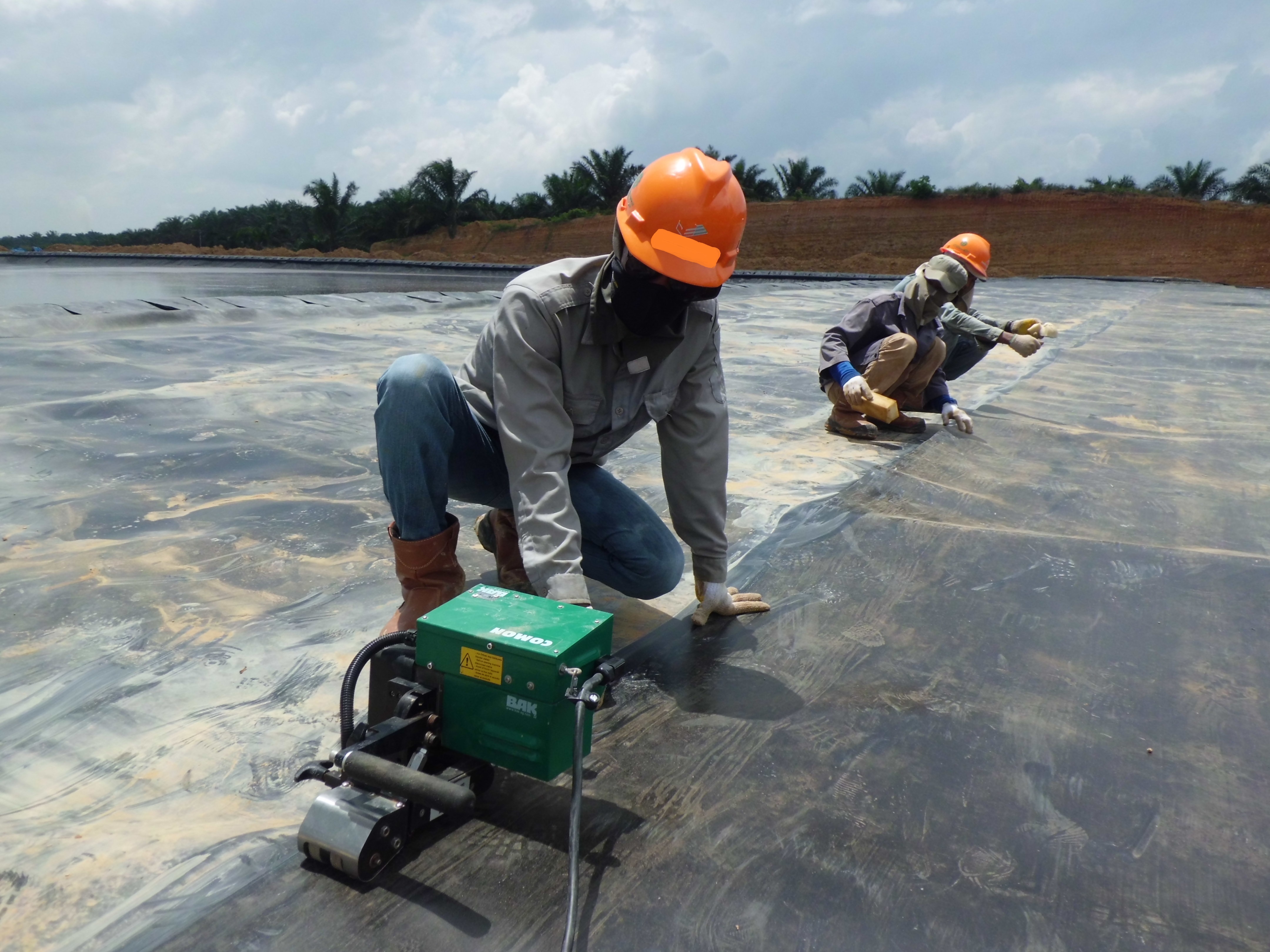
What is a Wedge Welder?
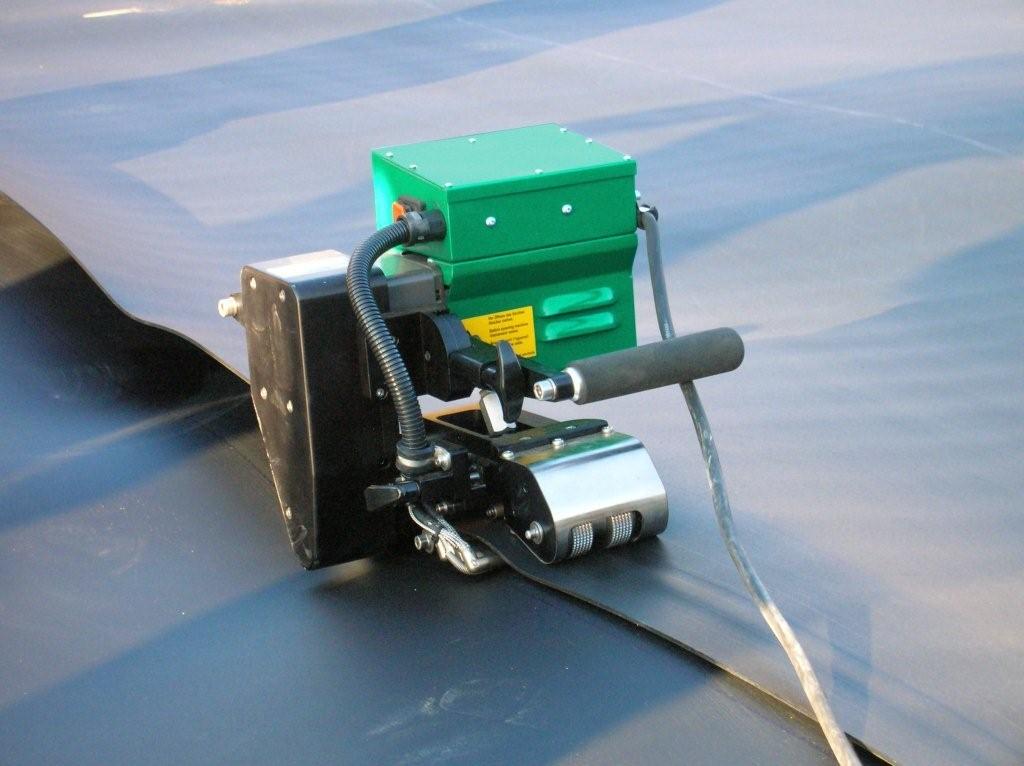
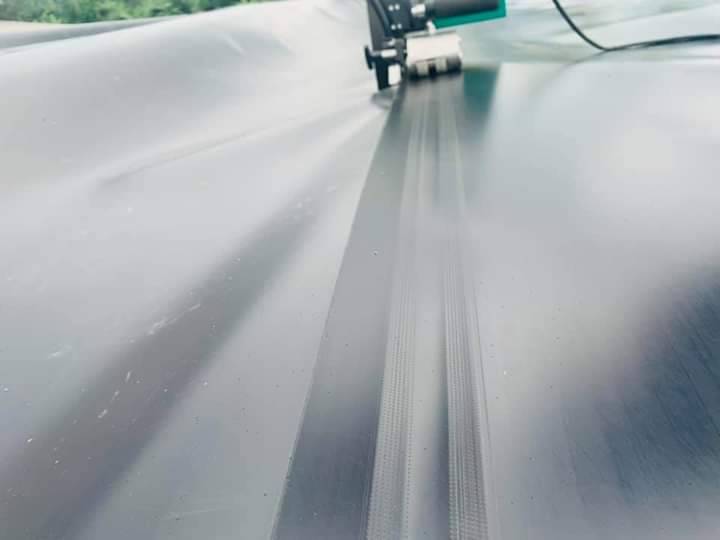
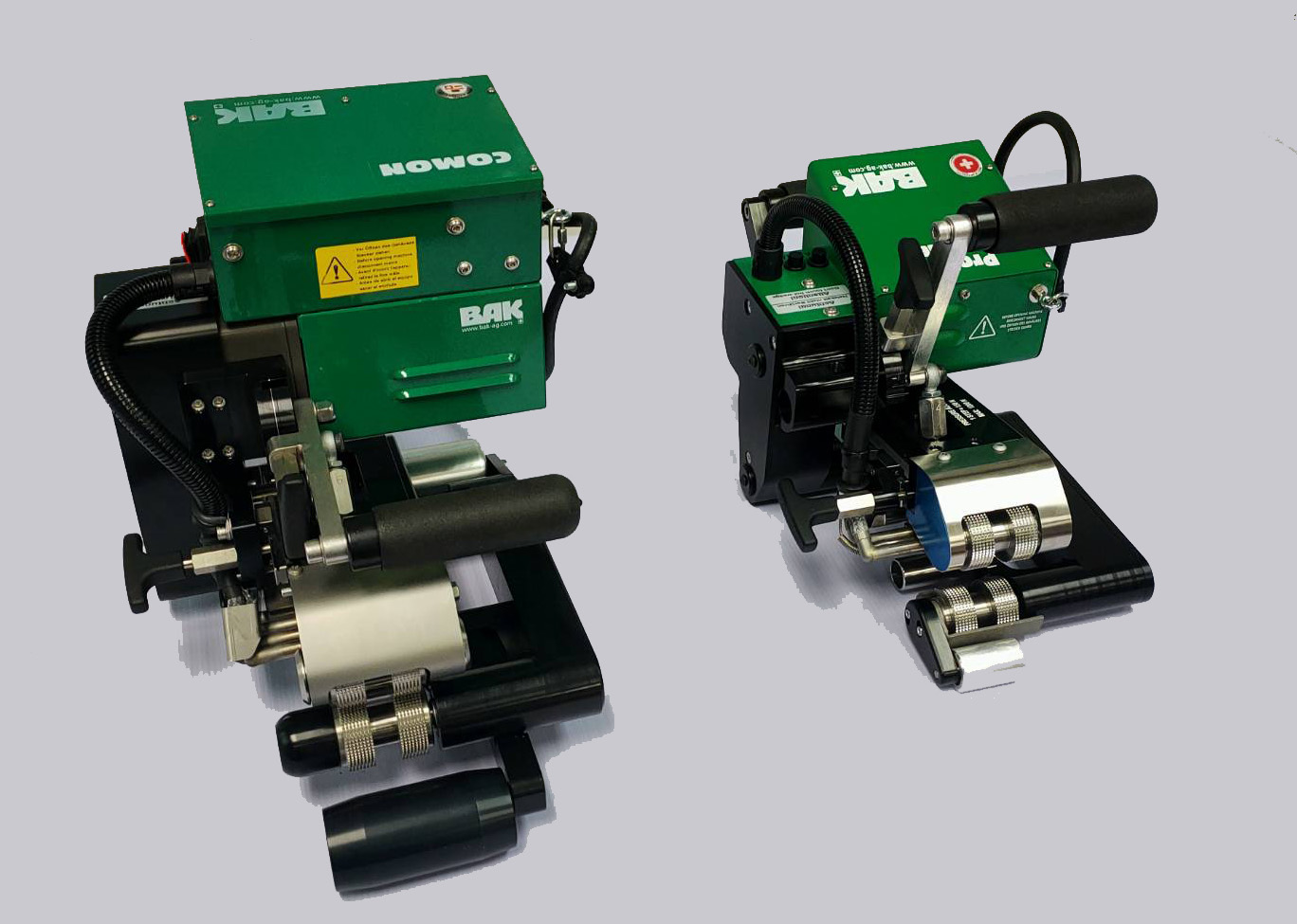
A Wedge Welder is an automatic welding machine designed to join thermoplastic geomembranes. It operates by inserting a heated wedge between two overlapping sheets, melting the material surfaces, and applying pressure through rollers to create a strong, continuous bond.
Role in Geotechnical Engineering
In geotechnical and environmental engineering projects, leakage control is crucial. Wedge Welders are widely used in:
Landfills: Preventing leachate from contaminating soil and groundwater
Reservoirs and Ponds: Minimizing water loss due to seepage
Mining Applications: Containing hazardous chemicals and process fluids
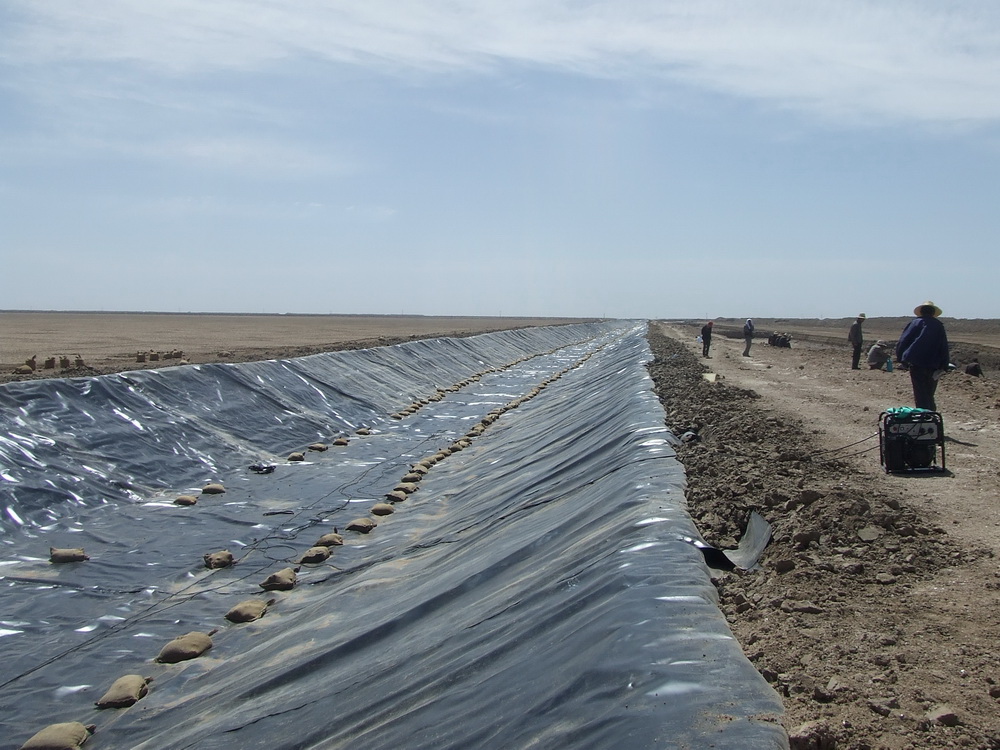
Canal Linings: Improving water retention and efficiency
These machines ensure consistent, high-quality seams that meet strict engineering standards.
Key Advantages of Wedge Welders
Consistent Weld Quality: Precise control of temperature, speed, and pressure
Double Seam Capability: Allows air pressure testing for leak detection
High Productivity: Faster and more efficient than manual welding
Ideal for Large-Scale Projects: Suitable for infrastructure and environmental works
Quality Control
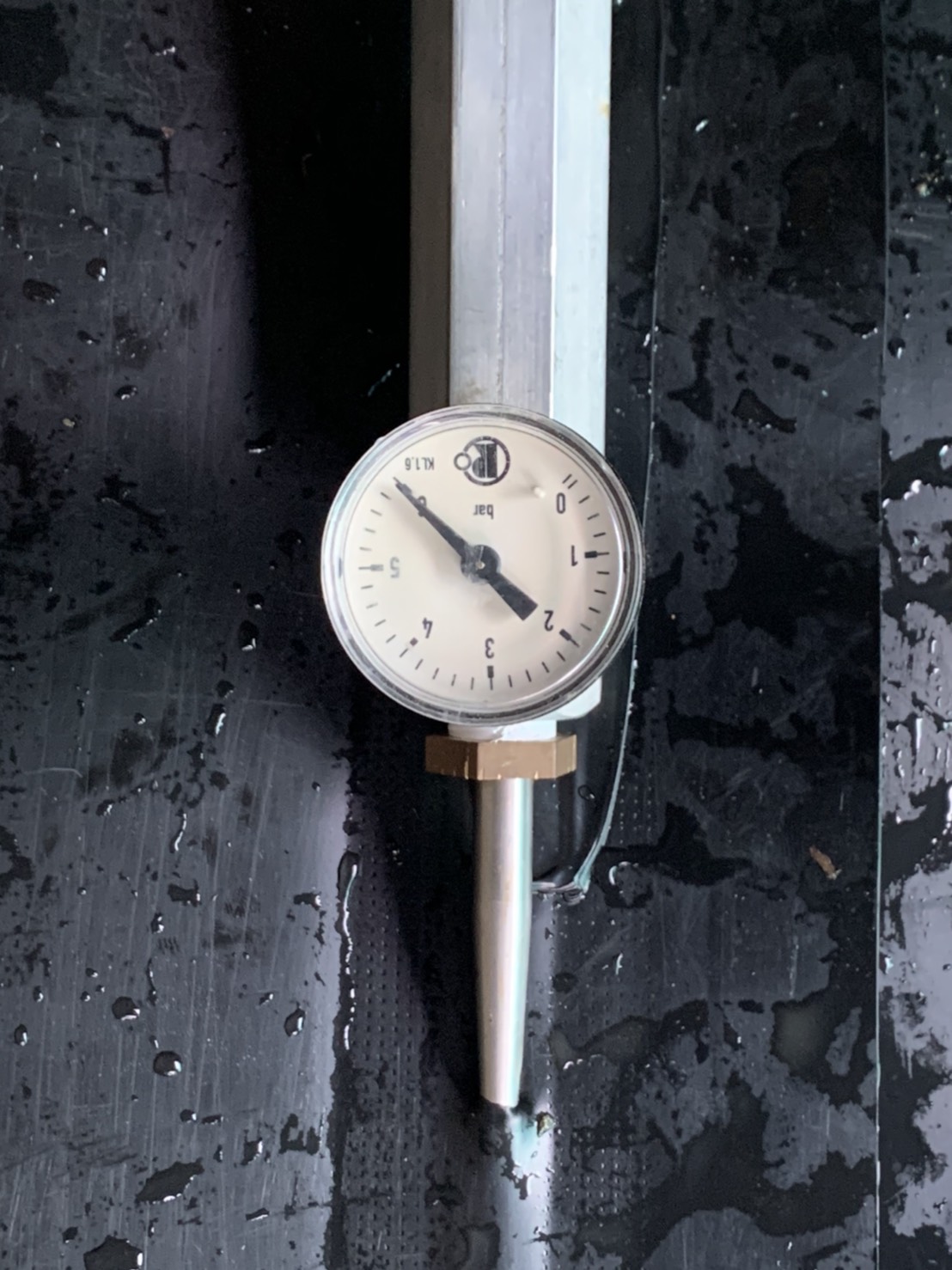
The quality of weld seams produced by a Wedge Welder directly impacts project safety. If a weld fails, it may lead to environmental contamination and significant repair costs. Therefore, strict quality control procedures are essential, including:
Air Pressure Test (for double seams)
Vacuum Test
Arc Detection
Peel & Shear Tests
In addition, Arc Detection (Spark Testing) can be used to accurately identify pinholes or defects in geomembrane liners, providing an extra level of inspection reliability.
Additional Factors in Selecting a Wedge Welder (Technical Considerations)
Temperature Range & Stability:
The machine must be able to maintain precise and stable temperature control, as this is a key factor directly affecting weld quality.
Durability in Site Conditions:
The equipment should be designed to withstand real job site environments such as dust, heat, humidity, and heavy-duty operation to ensure continuous performance.
Material Thickness:
Each machine is designed for a specific thickness range, for example:
Machines for thin sheets starting from approximately 0.3 mm up to around 1.5 mm, suitable for applications requiring high precision
Machines for thicker sheets, typically in the range of 1.0 – 3.0 mm, for applications requiring stronger weld seams
Selecting the right machine for the material thickness helps prevent issues such as burning, weak bonding, or incomplete weld seams.
Material Type (HDPE, LLDPE, PVC, etc.):
The machine must be compatible with the type of material. Most hot wedges are made of copper, which is suitable for HDPE and LLDPE, but not recommended for PVC, as it may negatively affect weld quality.
Motor Power:
Affects pulling force and welding consistency, especially when working with thicker materials or on inclined surfaces.
Chain Durability:
Important for field operations involving dust, sand, or harsh environments, helping to reduce wear and minimize downtime.
Max. Pressure / Newton Adjustment:
The ability to adjust pressure (N) directly impacts weld quality and must match the material thickness and type.
After-sales Service:
Reliable support, available spare parts, and fast maintenance service help reduce project downtime.
Consumable Parts Cost:
Wear parts such as chains, rollers, and other components should be reasonably priced to ensure cost efficiency over the long term.
Conclusion
The Wedge Welder is an essential tool in engineering and geotechnical applications, particularly in projects requiring reliable containment of liquids and chemicals. Selecting a high-quality machine, combined with proper welding control, ensures project safety, long-term durability, and compliance with international standards.